Welcome to our first full day in Louisiana. We cycled out of DeRidder around 7:30, and made it to Mamou, LA just slightly after noon, covering 66 miles through relatively flat farmland. The wind worked against us slightly, however the shorter mileage assisted in an early arrival. I have a suspicion that everyone is starting to gear up for the 93 miler tomorrow on Easter Sunday, so an earlier arrival today was welcome. That being said, I’m hopeful to attend an Easter Vigil service in town this evening at 8:00pm, so the night may be short, yet the day will likely be extra long.
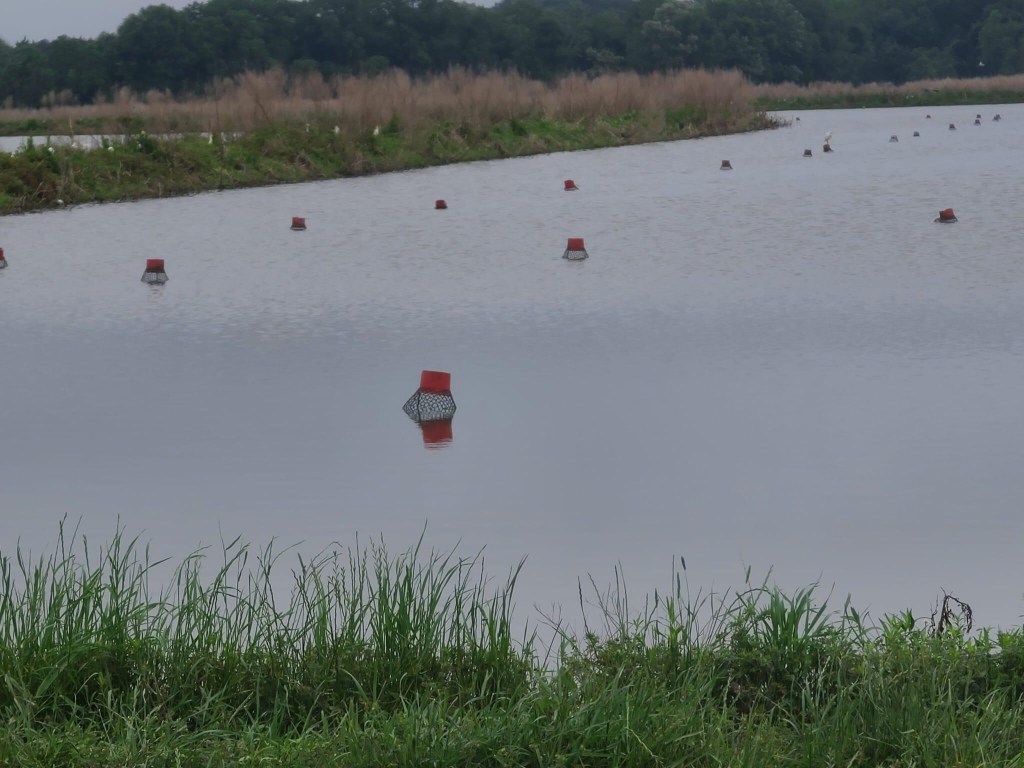
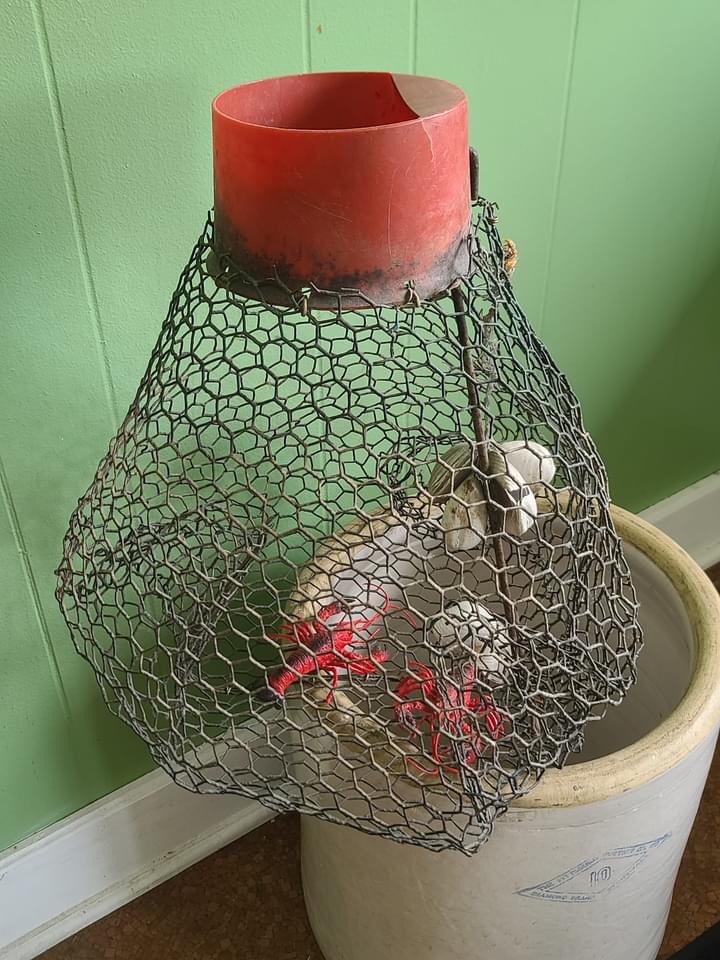
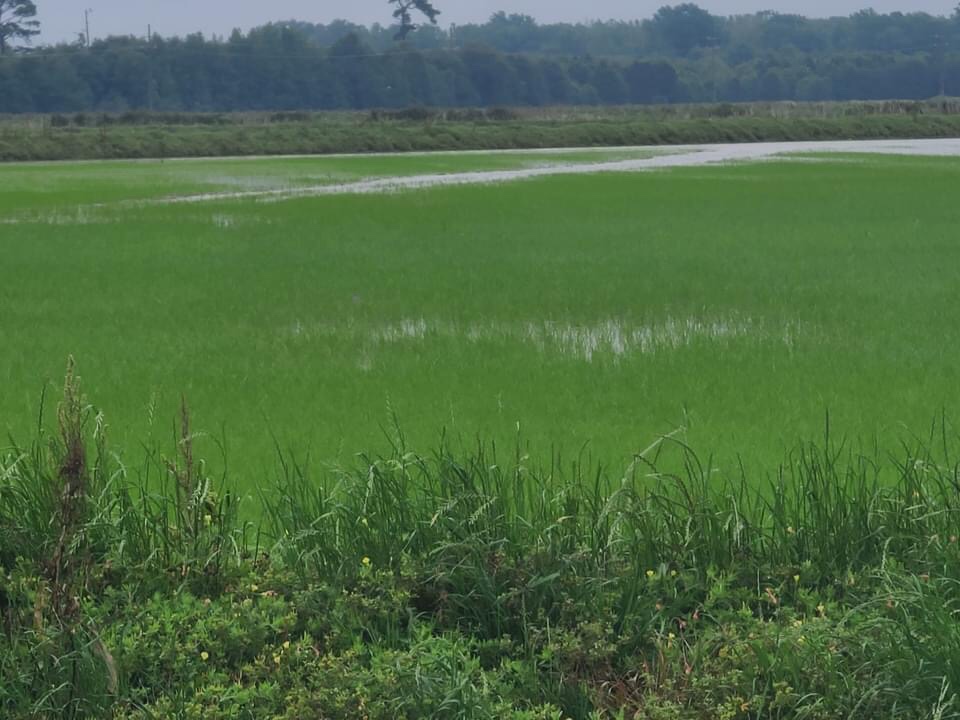
We passed two different types of farmland today. The first were fields of cows and cattle. The other type of farmland we saw plenty of today were rice / crawfish fields, which apparently has become a fairly big business here in the swamplands of Louisiana. According to experts, about 40 years ago, farmers discovered that the 2 year growing cycle for rice coincided perfectly with the 2 year growing cycle for crawfish. Now, many of Louisiana rice farms are seeded every other year with baby crawfish. This provides an entirely new source of income for farmers here, and helps expand the production of both “crops”. The crawfish help aerate the soil and provide nutrients for the rice. Since rice is an aquatic plant, and the crawfish season is exactly opposite the rice season, you can grow rice and seed the crawfish into it during the slower part of the crawfish season. Double cropping farmers plant rice in April, and six to eight weeks later flood the pond with about 18 inches of water. 50 to 75 pounds of crawfish per acre are added to the pond to grow and reproduce. In August, the pond is drained, and the crawfish burrow underground and the rice is harvested. I suppose in the early Spring, the farmers harvest the crawfish, and rush them to Fish City Grill, where Jacob can savor them to his heart’s content. I saw completely flooded fields with very clear water, and other fields with relatively brown water. Of course, I made the assumption that the brown water fields were producing “dirty rice”, and am hopeful soon to see hush puppy trees. Of course, my imagination and attention span may have started to wander here in the last few sentences, but it’s always fun to think about.
A few of our roads today appeared to be just slightly lower than sea level, and it’s pretty obvious that we are deep into the marshlands of this state. Thanks to all of the water and drainage on both sides of the road, I was spared of yet another dog attack, which actually made me laugh. As I was rounding a corner, I saw a large black Labrador bounding toward me, barking and snarling, as apparently I looked like a delicious pre-lunch snack. He came to the edge of the road, and discovered a relatively large drainage area / ditch that he would have to cross in order to access me, his intended target. With one giant L E A P, he left the ground and attempted to jump over the ditch, which was full of drainage water. He came close, clearing his front paws, yet the back paws that trailed behind slipped on some mud along the bank of the ditch, causing him to slip and then lurch backward. The poor dog did a nearly complete backflip backwards, and landed with a huge SPLASH into the drainage area, which was full with about 3 feet of water. This gave me just enough time to speed ahead. I took a quick look behind me to see that the dog had survived the leap and backwards cannonball, and was just making it up onto the bank of the ditch as I cycled away. He looked a little dizzy and disoriented, and was probably a little disappointed (or embarrassed) that he failed to catch his prey. I wonder how you can tell if a black Lab is embarrassed? They don’t turn red, do they?
The “Three Oaks RV Camp” for tonight has achieved a new low, even by our standards. The camp is about 6 miles outside of the bustling town of Mamou, located off of a dirt road about 1/4 mile from a paved road. The field we will be staying in is completely saturated, and the tents that were put up are standing in about 1-2 inches of water, which is advantageous for the mosquitos and gnats, but not so much for the two-legged inhabitants now here. Any patches of dry land are infested with fire ants, requiring us to step lightly and move quickly to get from point A to point B. We have the “luxury” of one men’s shower and one women’s shower, which they hope to serve the 30+ people who have invaded this little paradise on the prairie. To compound the problem, the electrical box typically used to charge our bike lights and phones we use for navigation is reportedly broken, so we may be completely without power, as well as any electrical assistance tomorrow. Aside from these drawbacks, the owner of the camp will be making a crawfish dinner for all of us tonight. One can always hope to snatch victory from the jaws of defeat!
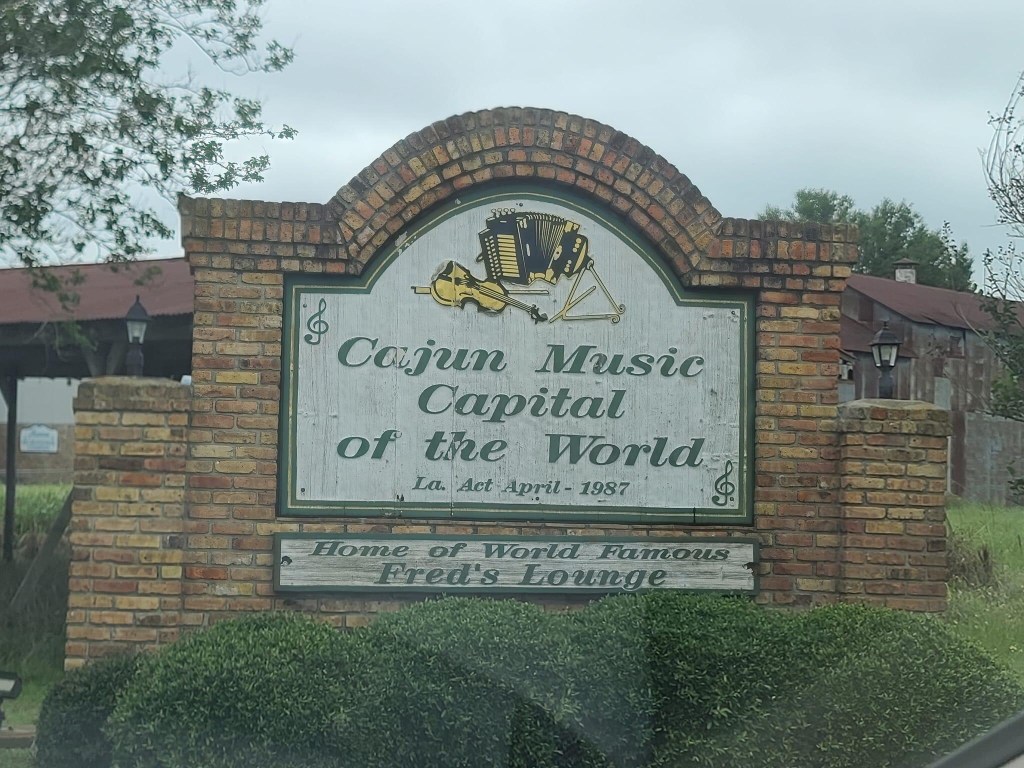
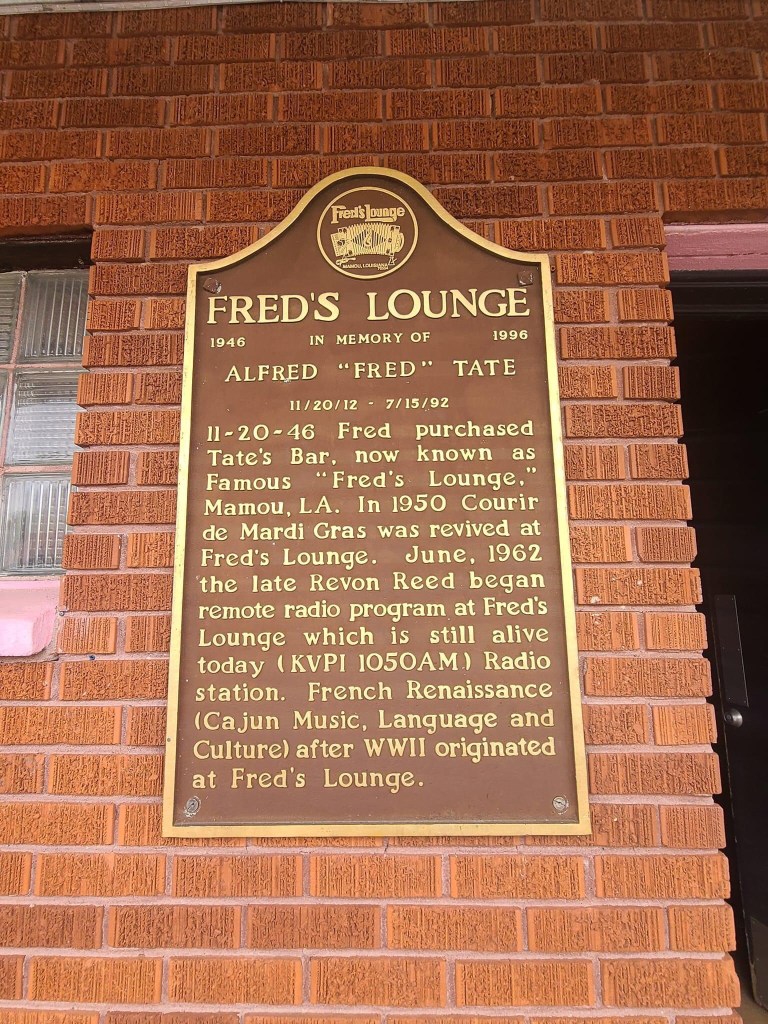
Mamou itself is home for about 3,000 inhabitants. Named after Chief Mamou, the word “Mamou” means “mammoth” in French. (Apparently, they saw the size of the red ant piles, and thought the name “mammoth” would be a good name for the town). Beyond rice and crawfish, they grow cotton here, but apparently this crop has diminished over the years. Know as the “Cajun Music Capital of the World”, Mamou is home of the world famous Fred’s lounge, which features live music every Saturday morning. In fact, the Zydeco music was rocking Main Street as we cycled in.
So, that’s the word from Mamou. I remain hopeful that the fields will dry up suddenly, the power will be restored, and perhaps they will institute maid and a room service for our tents, here in the next 10 minutes. Hey, a guy can dream, can’t he?! While you celebrate Jesus’ resurrection tomorrow morning, say a prayer that he watches over this group of cyclists as they travel to St. Francisville. Happy Easter!
 The Walking Machine
A blessed Easter to you, Mark! Your “accommodations” in Mamou sounded miserable. Hope you all found a dry fire-ant-free spot to sleep!
LikeLike